
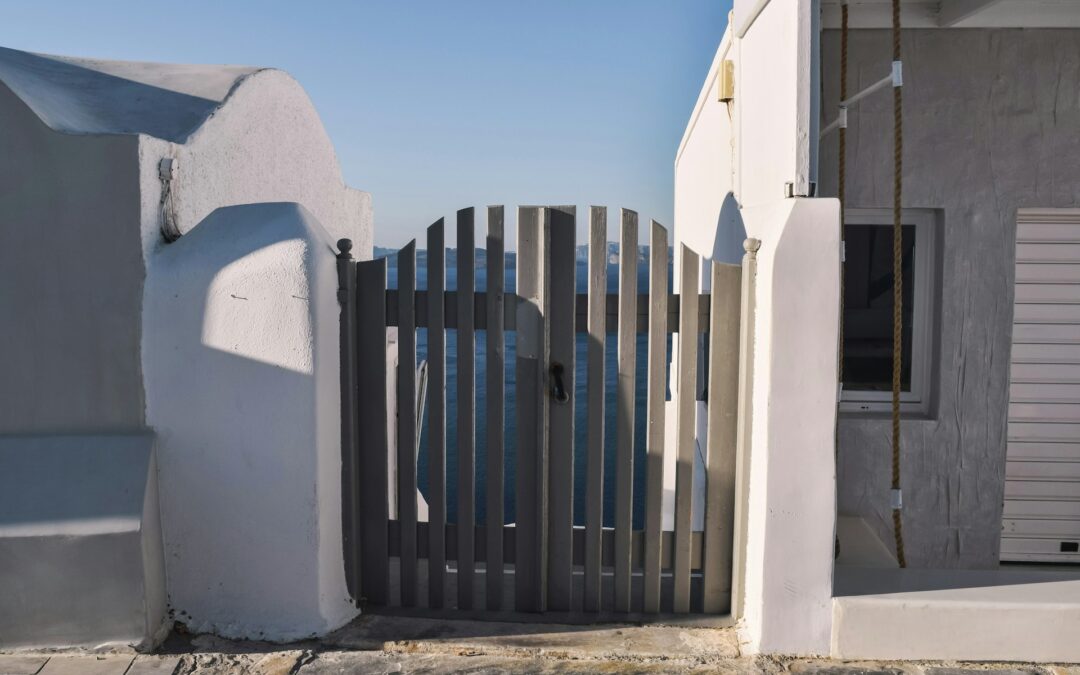
Small entrances can be tricky. Whether it is a narrow side path between houses or a gap between old brick posts, these spaces do not always suit off-the-shelf gates. A gate that is too big will not fit, and one that is too small leaves wide gaps that bring in cold air and reduce privacy. That is where made to measure wooden gates become the better choice.
Rather than adjusting walls or posts to make a gate fit, custom sizing lets the gate match the opening. Done right, it lets the gate work with the space instead of against it. It also means you can choose how it looks and suits the rest of the property. For homes with odd corners or older garden layouts, this kind of flexibility makes all the difference.
Fitting Small Entrances Without Compromise
Standard gate sizes work well for newer builds, but not every entrance follows clean lines or matching widths. In older gardens or rural homes, openings are often set at unusual heights or between leaning posts. When a standard gate does not sit square in the space, it leaves gaps or rubs against the hinges.
Made to measure wooden gates solve that by working with the details you already have. They are built to match the exact opening, which means less shifting or wedging things into place. That helps avoid extra digging or pulling out strong old posts. Keeping the gate and fencing intact saves time, keeps the look consistent, and helps avoid structural changes that do not feel necessary.
Some of the most common spots for made to measure gates include side paths, shared access routes, and narrow garden walkways. Many of these areas do not have much room to start with. Adding a gate that is too big can block movement or rub against walls. A custom gate adds function without eating up space.
JAKK’s hardwood gates are all made to measure, designed for unique sizes, and can be matched to the line of old brickwork or sloping ground without disrupting the flow of the existing garden or drive.
Match the Gate Style to the Space
A narrow opening does not mean you have to give up on having a good-looking gate. The right shape can make small entrances feel more inviting without appearing too heavy. Solid panel gates work well when privacy is a priority, especially in urban spots with paths running alongside walls or windows.
If airflow is a concern or the gate faces an open field, slatted designs allow wind to pass through without slamming or creaking. These designs help reduce stress on posts during winter months when storms push through. Half-height gates can work where visibility matters, like over shorter garden beds or next to patios where the view matters more than being fully closed off.
The direction your gate swings can also change how useful it is. Smaller spaces benefit from measuring which way gives the clearest movement. An inward swing might suit spaces where a wall gives some shelter, while an outward swing could help when the inside space is limited, such as near bins or steps that can block the arc of the gate.
Balance Practical Use with Appearance
How a gate looks matters just as much as how it works, especially when it is part of the first impression. Made to measure gates do not just fill a gap—they help create balance. When the height and width are in proportion to the space, nothing looks wedged in or too small for the setting. That makes the whole entrance feel right.
It is often the blend of measurements and materials that brings comfort to a small opening. A gate that opens easily without sticking or rattling in winter does not just feel better to use—it gives a sense of reliability. When choosing details like height or panel width, paying attention to symmetry can help keep everything looking neat and intentional.
Matching the gate’s timber and finish to nearby features like fencing, brickwork, or doors helps the gate settle into place visually. Rather than standing out or feeling new, it becomes part of the layout. For winter settings, finishes that resist moisture help keep things looking steady through the darker months. JAKK offers options like oiled, stained, or painted wooden gates to coordinate with the garden or external wall.
Extra Features That Make a Difference in Winter
Winter makes every small detail count. In narrow entranceways that lead into the side of a house or enclosed garden space, a properly fitted gate can help hold off cold air. If a gap sits too wide in winter, frosty wind has a way of sliding through. A tighter fit provides a bit more comfort in those sheltered spots.
A solid frame helps too. In cold, damp months, gates with wobble or sag tend to get worse. Water can settle into any weak points or make the timber swell if it is not sealed well. Fittings can loosen, and movement becomes awkward. That is why pressure-fitted frames and sturdy latch systems make a difference. They help everything move steadily without stiffness or sticking.
Choosing rust-resistant hinges is another smart step for winter. It keeps problems away. Areas that see frequent rain, or gates sitting in places that do not get much sun, benefit from hardware that holds up against the elements. That bit of care in picking fittings makes daily use smoother through the whole season.
Tailored Access That Holds Up Long-Term
Small entrances are often overlooked, but when planned well, they become useful, neat points of access. A made to measure wooden gate makes that possible without pushing back walls or squeezing something in just to make do.
By checking how the gate fits, swings, and holds up in the cold, you end up with a small but reliable structure that feels like it was always meant to be there. It blends in without drawing attention, stands up to regular use, and keeps shape even as the months get colder.
Choosing the right gate for a tight entryway is a chance to make the most of what is already there. Get the size right, match the finish, and think about how the gate works through winter. The result is not just easier movement—it is a quieter, simpler kind of upkeep that carries through beyond the season.
Whether you’re working with a narrow gap, awkward angles or a tricky slope, our range of made to measure wooden gates gives you the kind of fit that feels right from day one. At JAKK, we build each piece to suit your space, so it works properly and looks like it’s meant to be there—whether that’s between brick pillars, beside the house or tucked away around the back.