
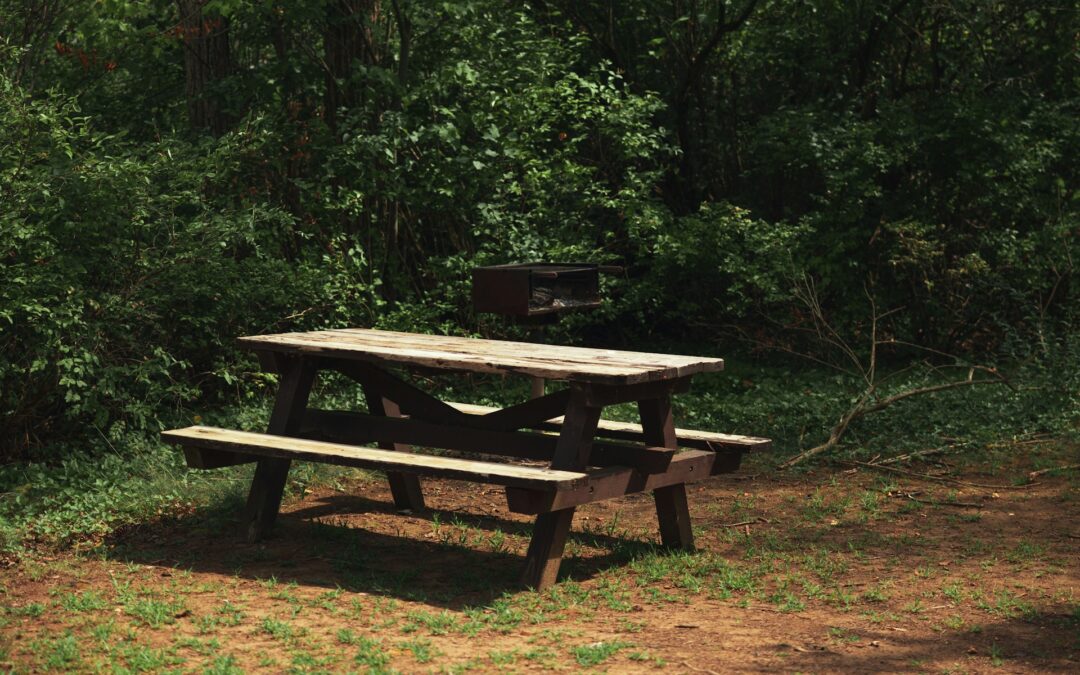
Hardwood picnic benches are made to stay outside, but winter weather still puts them to the test. Rain rolls in often, followed by chilly nights and short, damp days. A bench might look solid from a distance, but that does not mean it is handling the weather well. Some benches soak up water and swell. Others shift at the joints or grow rough as their finish wears off.
That is where design, materials, and care all come in. Not every bench reacts the same way when the skies stay grey for weeks. It depends on how it was built, where it sits, and how it is treated. If you have one in the garden, on school grounds, or in a community space, winter weather can quietly do real damage if you are not watching.
Let’s take a closer look at what helps hard-wearing furniture like hardwood picnic benches hold up through long stretches of rain and cold.
How Moisture Affects Hardwood Outdoors
Even the strongest wood can shift when water keeps finding its way in. Most hardwoods, such as oak or iroko, are much denser than softwoods, meaning they are slower to absorb moisture. Still, if benches are left in the same spot through weeks of heavy rain, some movement is nearly always going to happen.
As water soaks into the timber’s surface, the outer fibres swell. If left untreated or built a certain way, this can affect how pieces fit together. You might notice raised grain, slight warping, or tight joints that used to move freely. In heavier rain, undersides of seats and legs are often the last to dry, which means the swelling there can put pressure on the fixings or structure over time.
The way the wood was sawn and cut matters too. Boards with straight, tight grain hold their shape better. Wider grain, or mixed-cut boards, may twist when one side stays damp for too long. That is why grain direction and timber density do much of the hard work in helping outdoor furniture resist slow weather damage.
JAKK uses solid British hardwood, like oak, for their picnic benches. Their benches are crafted with mortise and tenon joints and extra-thick leg sections to hold shape through wet and cold.
Design Details That Help Bench Longevity in Rain
Good design makes the biggest difference in wet weather. Hardwood picnic benches that cope best with rain usually have a few things in common.
Gaps between seat boards matter more than people think. Slatted seating lets water drain quickly instead of pooling on top. The same goes for the backrest, if the bench has one. Spread-out boards help air move through and keep things drying faster.
The legs and lower frame need to stay off any surface that keeps moisture in. A bit of ground clearance means the bench is not stuck sitting on damp grass or puddles for days on end. That gap might be small, but it keeps the bottom edges from softening or soaking over time.
Joinery matters too. A good bench is not nailed together at the corners. Mortise and tenon joints do not pull apart easily when timber moves slightly. Even rounded edges help, as they stop rain from sitting along sharp corners where it might soak in and linger.
Finish and Treatment Choices That Help in Wet Weather
The right finish does not block every drop of rain, but it gives the timber a better chance through wet stretches. For hardwood picnic benches, breathable oil finishes are most effective. Heavy varnish may crack or peel as the wood moves below it, holding in the damp and failing faster.
Oiled finishes soak into the wood and slow how fast moisture gets in. While they do not stop rain completely, they do give wood more time to shed water before it begins to swell. The type of oil chosen matters too. Some work better for dense hardwood, lasting longer before wearing off.
No treatment lasts forever. Heavy seasons will leave a bench with dull patches or faded spots if left unchecked. These are signals to reapply oil or protective finishes. If the surface still looks and feels smooth, the finish is doing its job.
The best habit is to check the bench now and then. Flaky patches, raised grain, or colour change hint that water is getting in. Early action keeps a small problem from becoming a costly fix.
Placement Matters More Than You Think
Where a bench sits during the winter makes a bigger difference than many realise. Grass works for sunny weather, but by December, the ground is damp nearly all the time. Sitting in one spot on soft ground means more hours of contact with moisture.
Benches last longer when placed on gravel, hard standing, or slabs. This way water runs away from the base, stopping feet and legs from soaking up the damp all season.
Sun and wind help too. A bench in partial sun dries faster than one in the shade all winter. Air movement is key—benches tucked away in still or dark corners of the garden stay wet much longer. Watch out for thick shrubs or outbuildings that block wind but trap moisture below or around the bench.
A good location gives the whole bench time to air between downpours. Sometimes, just moving a bench away from a low, shady spot keeps it in shape through the coldest months.
Peace of Mind Through the Damp Months
Hardwood picnic benches face a lot through the winter, but with careful picking, smart design, and a little planning, they can last for many seasons. It all comes down to timber quality, how the bench is joined, the type of finish, and where the bench lives when the weather turns rough.
By putting benches in the right place, keeping an eye on the finish, and brushing away standing water, you give them what they need to survive months of damp. Design features like ground clearance and slatted seats work with the right timber to slow early wear and improve comfort.
Think ahead as the wet weather starts. Treat now, stay alert to trouble spots, and you will have a bench that keeps its feel and shape right through to spring—and for many winters to come.
Take a closer look at our range of hardwood picnic benches if you’re after something that stands up to the elements and settles naturally into any outdoor space. At JAKK, we build each bench with solid joinery and weather-ready details so it holds up year after year, whether it’s rain, sun or late-season frost you’re dealing with.