
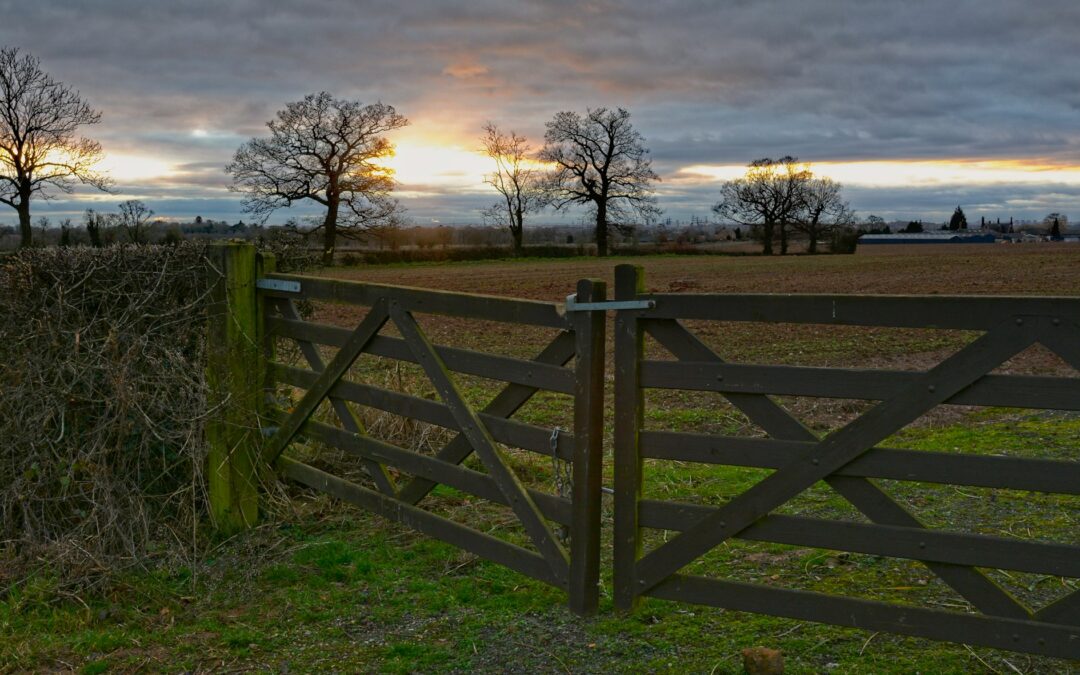
Cold weather can hit wooden gates harder than most people expect. When temperatures fall and rain comes through day after day, it is not just mud that is left behind. Wet timber can move. It swells, twists, or starts to stick right when you would rather not fuss with it. That is why choosing the right material and design for field entrances matters, especially if you are counting on something that holds firm through winter.
An oak field gate is often chosen for its strength and solid appearance. It carries weight well, ages nicely, and fits right into rural settings like paddocks, farms, or open driveways. But even oak has its limits when not built or placed the right way. Some gates weather better than others depending on how the wood was cut, joined, and treated. This piece looks at what to watch for if you want an oak field gate that does not start warping by the time January brings its worst.
Understanding Timber Movement in Winter
Timber moves whenever the moisture inside it shifts, and that happens a lot in colder months. Rain brings damp air. Frozen nights draw moisture out or trap water where it should not be. All of it affects the shape of wood, especially at joints or edges that were not sealed or fitted well.
Some types of timber expand more than others. Softwoods shift quicker, while harder woods like oak hold their form longer. But even dense hardwood such as oak is not immune. The trick is in how that oak was handled before it ever became a gate. Fresh oak with too much natural moisture will shift once the cold sets in. That is why drying methods matter early on.
Drying oak the right way means giving the moisture time to settle before the timber is shaped or joined. If that happens too soon, the wood moves soon after installation. Whether the gate starts to sag or the hinges strain on one side, early warp is often a sign the timber was not quite ready for the outdoors.
Gate Construction Designs that Resist Warping
The design of a gate can decide how well it takes on colder months. Open countryside or exposed hillsides make things worse. In those spaces, wind and damp hit harder, often from both sides of the gate. One of the best ways to prevent warping is using a framed and braced gate style. It gives the gate a solid outline that resists bend or sag, even when middle sections get damp.
Joints are vital. Mortise and tenon joinery is a smart choice here. It allows the gate’s parts to fit tightly and stay locked together, even if the timber swells a little bit. Screwed or nailed frames can loosen or crack, but interlocking joins can flex slightly without coming apart.
Other design tweaks help, too. A wider gate rail can offer more support, while spacing between rails or slats should allow some air to move without leaving large open gaps. Height matters—tall gates catch more wind, so those facing storms benefit from lower profiles or central posts for balance.
JAKK makes oak field gates with through-mortise and tenon bracing, using air-dried or kiln-dried timber, giving better stability for boundary and field use when cold weather sets in.
Picking the Right Oak for Field Gates
Not all oak responds the same way to winter. How it was dried and stored before building makes a big difference. Green oak still has high moisture content and, while affordable, tends to move the most after seeing cold or wet weather. As winter rolls through, these gates might swell, shrink, or distort, causing uneven latch points or tight movement.
Air-dried oak is steadier. It loses some moisture naturally before being worked, making it more suited to outdoor joinery or larger gates. Kiln-dried oak passes through controlled drying, giving the most stability and least seasonal swelling, but it is heavier and more expensive to process.
For a field gate that needs to hold shape across months of wet, kiln-dried or well-aged air-dried oak is your safest bet. Extra points if all oak in the build is from the same batch and grade, which reduces the risk of one part shifting more than another. Mixed hardwoods or budget softwoods in the same frame will not move together and can stress the gate through winter.
Hardware and Fixings That Help Prevent Warping
Fixings do more work than many expect. Heavy oak gates pull hard on their hinges, especially after rain or if they take on extra weight. Full-length tee hinges spread the load and resist bending, and post brackets should be strong enough for the heaviest field use.
Rust resistance is another factor. Without it, metal fixings slowly give out, backing out of wood or turning stiff. Stainless steel bolts or galvanised anti-rust screws help stop these problems before they appear.
It helps to use adjustable fixings. If the gate sags or swells as the season changes, a little movement in the hinge or post bolt gives you a way to ease things without taking the gate down or replacing big parts. Sliding latches or adjustable stays can rescue a winter-warp without a fuss.
Placement and Upkeep for Winter Durability
Where a gate sits influences how it holds up. A gate at the low end of a slope gets battered by run-off and frost, soaking the lower rails and bases. Gates in deep shade dry more slowly, encouraging swelling at the toughest spots.
Lifting a gate clear of the ground keeps frost or pooling water from biting into the base edge. Before winter sets in, check and tighten all hardware and ensure posts are steady. Clean away built-up leaves or soil at the base so damp does not linger around the wood.
Once spring starts, go over hinges and check the latch and square. If any part is slow or doesn’t move freely, adjust it early. Catching first signs of misalignment or extra swelling after months of bad weather means you get ahead of bigger repairs.
Longevity You Can Count On Through Winter
The best defence against winter warping is a mix of strong oak, good joinery, and smart hardware. These details mean you can count on your field gate lasting through heavy rain and frost, swinging open and closed without drama.
Getting the right oak field gate in place and ready for the season saves a lot of headaches later. With a proper build and careful siting, the gate will keep its shape all winter and still work smoothly when the ground softens and grass regrows next spring.
We build for the long haul, and if you’re after something that won’t sag, shift or crack after a wet winter, the build quality of an oak field gate from JAKK is a solid place to start. We use properly seasoned timber, reliable joints and outdoor hardware that takes all kinds of weather in its stride.